Buying Used in the Great Lakes
Subhead: What First-Timers Need to Know
Published: Saturday, January 24, 2026 9:00 am
By: Mike Drouillard
.jpg)
As a boat surveyor in the Detroit metro area, I know firsthand that the Great Lakes are beautiful but our climate is unforgiving. If you’re new to boating and thinking about buying a used power or sail boat, here are my top five things to check so you don’t end up with an expensive mistake.
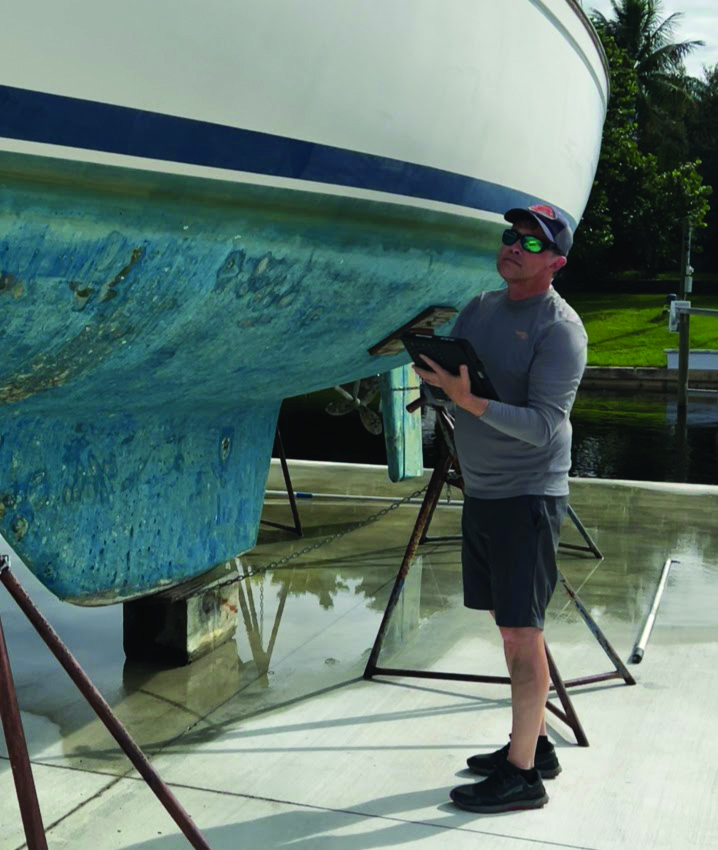
1. Check for Water Damage Inside the Hull (Osmotic Blisters)
Many boats have fiberglass hulls. Over the years, water can slowly soak into the fiberglass and create bubbles or blisters on the bottom. Ask to see the boat out of the water. Look for hundreds of small bumps on the bottom — like chicken pox. Lots of blisters usually mean expensive repairs.
2. Look at the Transom, Floor, Stringers and Bulkheads
Most of these structural components are made of wood sandwiched inside fiberglass. Wet wood rots, so push hard with a screwdriver or tap with a small hammer on these surfaces. If it feels soft, spongy, or sounds dull instead of sharp, the wood is rotting. I was surveying a 1998 cabin cruiser and all seemed well until I tested the midship bulkhead and my phenolic hammer returned a dull thud. I pressed on the area and the wood crumbled, revealing a saturated bulkhead. Seeing this, my customer decided to move on.
3. Engine and Outdrive Condition
Our freshwater in the Great Lakes is gentler on engines than salt water, but neglect still kills them. Ask for service records and receipts. I explain to my clients that all boat engines have a certain life expectancy before needing to be rebuilt, and rebuilds can be very costly and will take your boat out of service for a couple weeks.
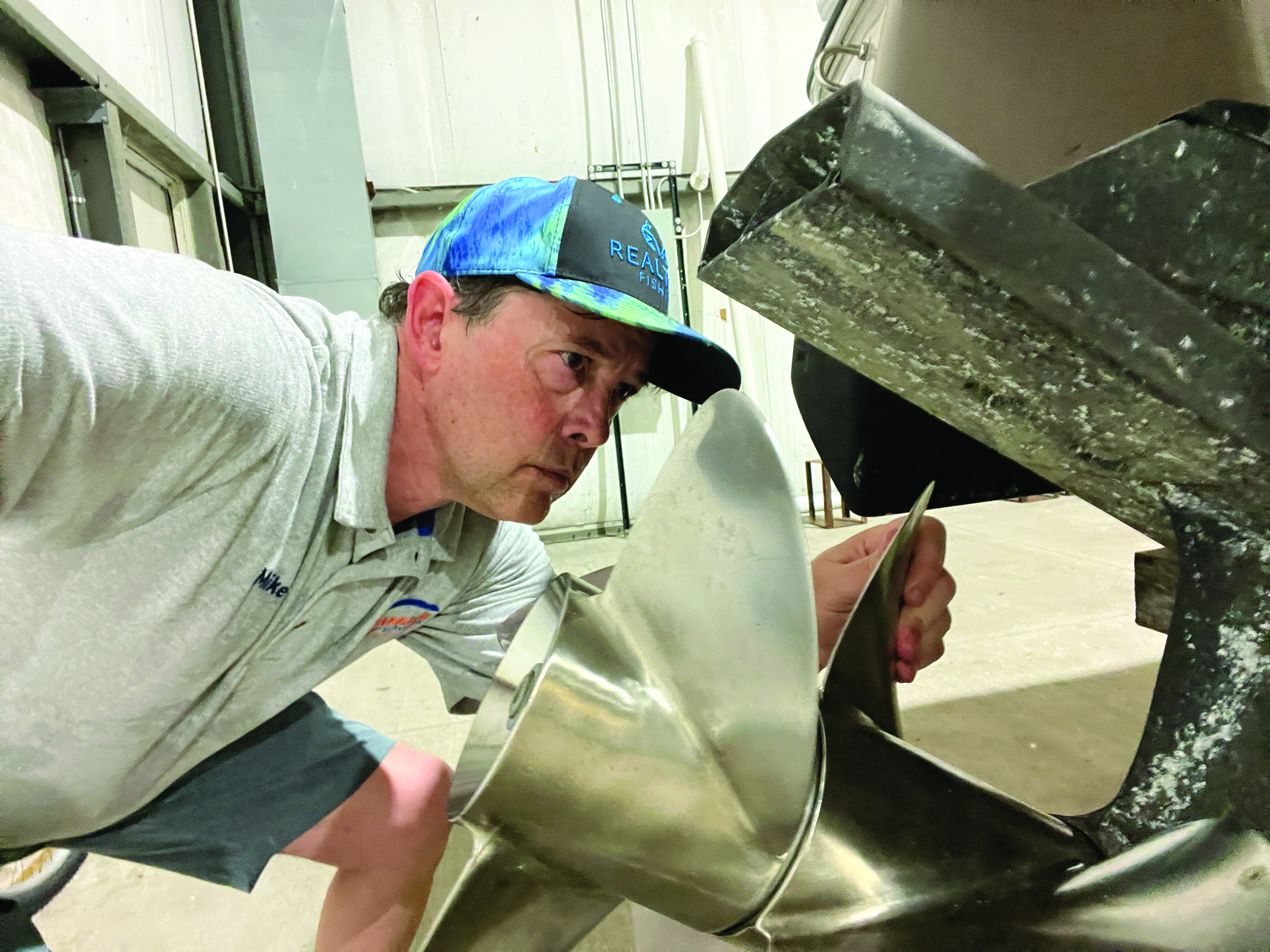
Here are some general guidelines around engine expectancy:
Engine Type Typical hours before rebuild
2-stroke outboard with a carburetor 1,200 - 1,400
2-stroke outboards with EFI 2,500 - 3,000
4-Stroke outboard 3,500 - 5,000
Gasoline Inboard/Sterndrive 1,500
Diesel Inboard 8,000
Do not underestimate the risks of buying a saltwater vessel in the Great Lakes. A 32’ center console I saw this past June indicated it was used in salt water for two seasons, and while the exterior looked great, the internal compartments showed massive corrosion on the metallic objects and my customer passed on the deal.
4. Winter Storage History
Ask how the boat was stored every winter. The best answer is “inside a heated or unheated building.”
5. Get a Marine Survey and Sea Trial
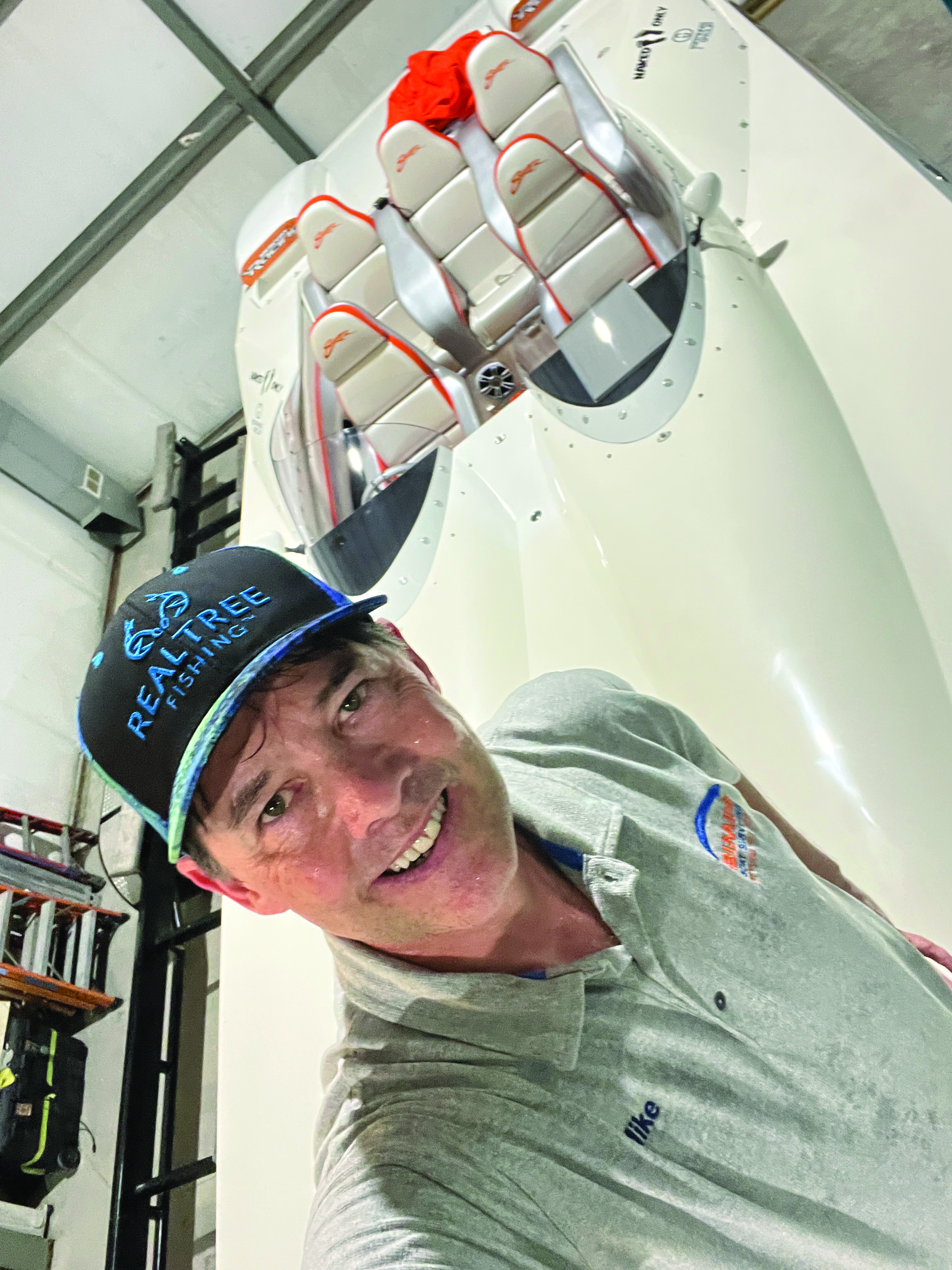
Always hire a professional marine surveyor to inspect a potential boat before you decide on purchasing. A surveyor can save you thousands of dollars by identifying current and potential issues. Be sure your surveyor is a current standing member of SAMS (Society of Accredited Marine Surveyors) or NAMS (National Association of Marine Surveyors). It’s also ideal if the surveyor is certified by the ABYC (American Boat and Yacht Council) so they understand the latest requirements and guidelines around pleasure boats.
Conclusion: Buying a used Great Lakes boat can be an amazing way to get on the water without spending new-boat money. Spend a little extra time and money up front on inspections — you’ll save a lot of headaches later. Happy (and safe) boating!
About the Author: Mike Drouillard is the owner of Bimini Boat Surveying, which serves Michigan, with a focus on Southeastern Michigan. Mike is a member of SAMS and certified by the ABYC. His website is www.BiminiBoating.com
tags: Boat, Boating Safety, damage, fiberglass, Great Lakes, Hull, mistake, Powerboating, safety, sailboat, Service & Repair